
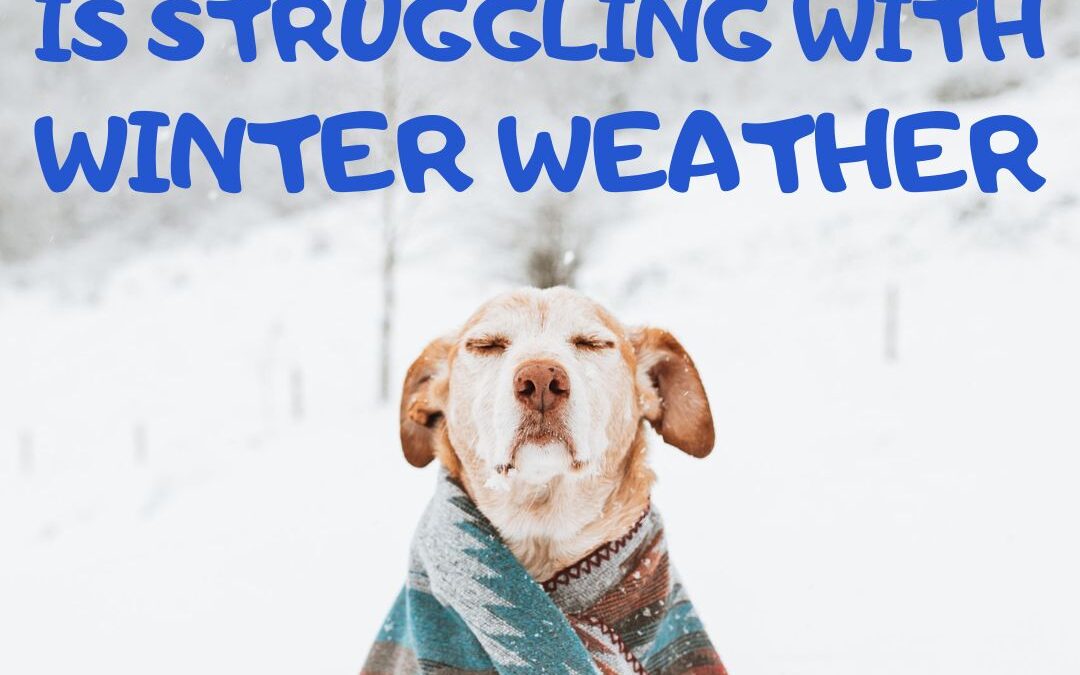
Winter can be a magical season filled with snow, holidays, warm blankets, and cozy indoor moments. For pets though, this time of year often brings challenges that are easy for humans to overlook. While many animals enjoy short play sessions in the snow or love curling up next to the heater, cold temperatures, shorter days, and changes in routine can affect their health and behavior. Pets rely on their owners to notice subtle changes and provide support when the weather becomes harsh. Whether you are a pet owner, a pet sitter, or someone who works with animals regularly, understanding the ways winter can affect pets is essential to keeping them safe, healthy, and happy.
Winter weather affects pets differently based on their breed, coat type, age, and health conditions. A healthy Husky will have a much easier time braving the cold than a senior Chihuahua or a short haired cat. Still, no matter what type of animal you have, understanding the signs of winter discomfort can help you step in before small issues become serious health concerns. As the temperature drops and the winter months settle in, it is important to observe changes in your pet’s habits, physical well being, and mood.
One of the most obvious signs that your pet is struggling with winter weather is shivering. Pets shiver when their bodies try to increase internal heat. While mild shivering can happen after stepping outside on a cold day, persistent shaking is a sign that a pet is too cold. This is especially true for small breeds, older animals, and pets with thin or short fur. If a pet begins shivering even during short bathroom breaks or indoor playtime, it may be a sign that their body is having trouble maintaining warmth. Paying attention to how quickly they begin to shake and how long the shivering lasts can help you determine whether a coat, sweater, or shorter outdoor exposure is needed.
Another sign that pets are having difficulty tolerating cold weather is reluctance to go outside. Some pets who normally love walks or outdoor play begin to pause at the doorway or pull back when it is time to head outside. This is often dismissed as stubbornness, but winter discomfort is frequently the real cause. Cold temperatures or icy ground can be painful for paws, especially when salt or chemicals are present on sidewalks or driveways. If an animal hesitates at the door or wants to return indoors quickly, it may be a sign that the outdoor environment feels uncomfortable or even unsafe for them.
Changes in posture or movement can also reveal the impact of winter weather. Pets who are cold often hold themselves differently. They may curl into a tight ball, tuck their tails under their bodies, or hunch their backs. Some pets hold up one paw at a time because the ground feels too cold. Arthritis also tends to worsen during the winter season. If your pet seems stiff when they wake up, has trouble climbing stairs, or moves more slowly than usual, cold temperatures may be increasing joint discomfort. Senior dogs and cats are especially vulnerable to cold related stiffness, so changes in mobility during winter should be taken seriously.
Winter dryness can also cause changes in a pet’s skin and coat. Indoor heating systems reduce moisture in the air which can lead to flaky skin, itching, and a dull coat. Pets may begin scratching more often, chewing on their paws, or rubbing their faces and sides against furniture. These behaviors are sometimes mistaken for allergies, but dryness caused by winter air can be just as irritating. If your pet suddenly develops dry, flaky skin during the colder months, it may be a sign that their body is reacting to the lack of humidity indoors. Increasing moisture in the air or adjusting grooming habits can often provide relief.
Winter can also affect a pet’s appetite. Some pets begin eating more during the cold months because their bodies use extra energy to stay warm. Others may lose interest in food due to lower activity levels or disruption of their typical routines. While minor changes in appetite can be normal, significant increases or decreases may signal a deeper issue. For example, if your pet seems hungry all the time despite receiving regular meals, they may be using more energy than usual to maintain body temperature. On the other hand, a sudden drop in appetite could indicate discomfort, lack of stimulation, or even seasonal depression.
Seasonal depression is not limited to humans. Pets can experience mood changes in winter due to shorter daylight hours and reduced outdoor activity. If your once playful pet becomes less energetic or seems uninterested in activities they used to enjoy, the winter season may be taking a toll on their emotional state. Pets may sleep more, isolate themselves, or become clingier when they feel uneasy or understimulated. Dogs and cats benefit from mental stimulation and opportunities to engage with their environment. When those experiences are limited because of cold weather, they may begin showing signs of melancholy or boredom.
Some pets display winter related stress through changes in vocalization. A normally quiet pet may begin whining more often or barking excessively. Cats may meow more frequently, especially near windows or doors. These vocal cues can indicate that your pet is feeling restless, uncomfortable, or anxious. For pets suffering from cabin fever or reduced exercise, vocalization can become a way to express frustration. Paying attention to these changes and offering more structured indoor activities can help reduce this type of stress.
Cold weather can also impact a pet’s hydration. Many owners assume pets drink less in the winter because they are not as hot or active, but dehydration is surprisingly common in colder months. Heated indoor air can cause increased water loss through respiration, and some pets simply forget to drink when they are not panting or playing outdoors. If you notice dry gums, thick saliva, sunken eyes, or lethargy, dehydration may be to blame. Ensuring your pet has fresh water available and monitoring how much they drink becomes especially important in winter.
Another sign that your pet may be struggling with winter weather is increased indoor accidents. Pets who dislike cold temperatures may refuse to stay outside long enough to relieve themselves fully. Small breeds are especially notorious for rushing back indoors before they are finished. This result can lead to unexpected accidents in the home. Sudden changes in bathroom habits may not be deliberate misbehavior but rather a sign that your pet is uncomfortable outdoors. Paying attention to the environment, the temperature, and your pet’s willingness to stay outside can help you manage this issue more effectively.
Winter can also bring about increased anxiety in pets who are sensitive to storms or noisy weather conditions. Snowstorms, high winds, sleet, and icy rain produce sounds that pets are not always accustomed to. For animals with noise sensitivity, these sounds can cause pacing, panting, hiding, or trembling. Pets may cling to their owners or seek out quiet, dark spaces. Understanding this behavior can help you create a calming environment when winter weather becomes loud or unsettling.
Paw problems are another clear sign that winter weather is affecting your pet. Exposure to ice, cold pavement, and salt based snow melt can cause irritation, cracking, and inflammation on paw pads. If your pet begins licking their paws excessively, holding them up while walking, or showing redness between their toes, winter conditions may be the culprit. Protecting paws with booties or using pet safe balms can help reduce discomfort and prevent injuries.
Respiratory issues can also worsen in the winter. Pets with asthma or chronic breathing problems may struggle with cold, dry air. Even healthy pets can experience mild respiratory irritation when the temperature drops. Coughing, sneezing, or difficulty breathing after outdoor exposure may be a sign that the winter air is too harsh for your pet’s lungs. Limiting time outside during extremely cold days and using a humidifier indoors can make breathing easier for sensitive pets.
Lethargy is another sign that a pet may be struggling with winter weather. While it is normal for pets to relax more during dark winter evenings, excessive fatigue may indicate discomfort or lack of proper stimulation. If your pet seems unusually tired throughout the day, they may be feeling cold, unwell, or emotionally stressed. This is especially important to monitor in older pets, as winter often intensifies existing health issues.
Cats and dogs may also show signs of winter discomfort through grooming changes. Cats who are typically well groomed may begin grooming themselves more aggressively to soothe dry or itchy skin. Dogs may shed more or develop tangled coats if their grooming routine is disrupted during cold weather. A dull or flaky coat can signal that winter conditions are affecting your pet’s overall skin health.
Behavioral changes can provide some of the clearest clues that your pet is struggling with winter weather. Increased clinginess often indicates that a pet feels uncertain or uncomfortable. Some animals seek constant reassurance, while others may display irritability or restlessness. Sudden changes in behavior might be linked to boredom, decreased exercise, or environmental stress caused by cold temperatures.
Even indoor cats, who may not spend much time outdoors, feel the impact of winter. The lack of sunlight can disrupt their internal rhythms, causing changes in sleep patterns and energy levels. If your cat is sleeping significantly more than usual or seems less interested in play, they may be responding to shorter daylight hours rather than the outdoor cold itself.
Understanding these signs is the first step toward helping your pet thrive during the winter months. Adjusting routines, providing extra enrichment, and ensuring comfort can make a world of difference. For pets who struggle with cold temperatures, warm bedding, cozy sweaters, and paw protection can help them feel more secure outdoors. For pets affected emotionally by winter, increased playtime, new toys, or structured indoor activities can provide much needed stimulation.
Pets rely on consistency and comfort, and winter often disrupts both. By observing their behavior closely and recognizing the signs of seasonal discomfort, you can address issues early and prevent more serious health problems. Whether you care for your own pets or work as a professional pet sitter or dog walker, your awareness and support can help pets stay happy, healthy, and resilient throughout the winter season.