
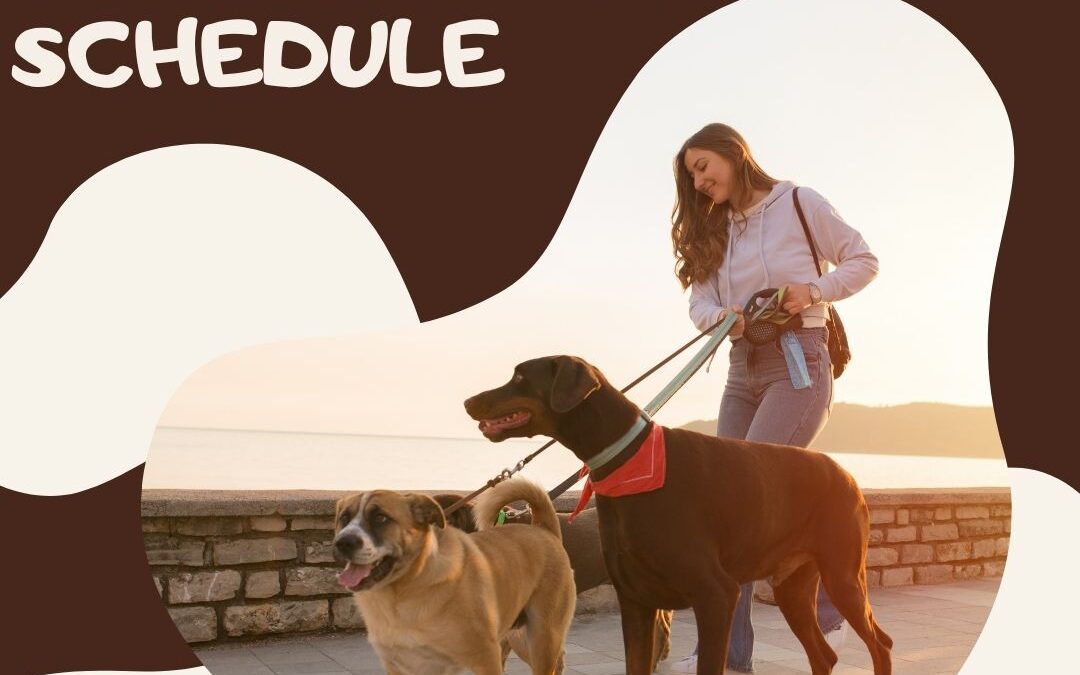
Life is constantly changing, and with those changes often comes the need to adjust our daily routines. A new job, a move to a different neighborhood, children returning to school, seasonal weather changes, or simply a busier schedule can all affect when and how often we walk our dogs. While these changes may seem minor to us, they can feel much more significant to our pets.
Dogs thrive on consistency. They quickly learn the rhythm of daily life and begin to anticipate meals, walks, playtime, and quiet hours. When those routines suddenly change, it can leave them feeling confused or unsettled. Fortunately, most dogs are incredibly adaptable when changes are introduced thoughtfully and gradually.
As professional pet sitters and dog walkers, we regularly help families navigate changes in their pets’ routines. Whether a dog is beginning midday walks for the first time, adjusting to a new owner’s work schedule, or transitioning after a move, a little patience and planning can make the process much smoother. The goal is not simply to change the clock. It is to help your dog feel secure and confident throughout the transition.
Why Dogs Depend on Routine
Routine provides more than structure for dogs. It creates a sense of predictability that helps them understand what to expect throughout the day. Knowing when meals are coming, when they will have an opportunity to exercise, and when they can expect interaction helps reduce uncertainty and supports emotional well being.
Dogs do not understand calendars or work schedules, but they are remarkably good at recognizing patterns. They notice when the sun comes through a certain window, when the neighborhood becomes active, and even when household noises signal that it is almost time for a walk. These daily cues become part of their internal schedule.
When that schedule changes without warning, some dogs adjust quickly while others need more time. A dog that has always been walked first thing in the morning may become restless if that walk suddenly moves to the afternoon. Another dog may begin waiting by the door at their usual time because they genuinely believe that is what comes next.
These reactions are completely normal. They are simply signs that your dog has learned a routine and now needs time to understand the new one.
Recognizing That Every Dog Adjusts Differently
Just as every person responds differently to change, every dog has their own personality and comfort level when routines shift. Some dogs are naturally flexible and settle into new schedules within a few days. Others rely heavily on consistency and may take several weeks before the new routine feels familiar.
Age can also influence how easily a dog adapts. Puppies are still learning daily rhythms and often adjust quickly because everything is new to them. Senior dogs, on the other hand, may find comfort in long established habits and appreciate slower transitions.
Breed, energy level, health, and previous life experiences all contribute to how your dog handles change. Rescue dogs, for example, may initially struggle with sudden routine changes because stability is especially important to them. Paying attention to your dog’s individual needs will help guide the transition.
Instead of comparing your dog to others, focus on their behavior. If they remain relaxed, continue eating normally, and settle comfortably between walks, they are likely adapting well. If they seem anxious or restless, they may simply need more time and consistency.
Make Changes Gradually Whenever Possible
One of the biggest mistakes people make is changing a walking schedule overnight. While emergencies and unexpected life changes do happen, gradual adjustments are usually much easier for dogs to understand.
If your morning walk needs to move later in the day, shifting the time little by little allows your dog to adjust naturally. Small changes feel less disruptive than one dramatic change, and they help your dog’s internal rhythm adapt without creating unnecessary stress.
The same approach works when adding an additional walk. Rather than suddenly introducing a completely different schedule, begin creating consistency around the new visit so your dog learns to anticipate it. Repetition helps establish new habits, and dogs learn remarkably well through predictable experiences.
Patience during this stage is important. Your dog is not being stubborn if they wait by the door at the old time. They are simply following the routine they have always known.
Watch for Changes in Behavior
As your dog adjusts to a new walking schedule, pay close attention to their behavior. Small changes often provide valuable information about how they are feeling emotionally and physically.
Some dogs become slightly more vocal while waiting for their new walk time. Others may pace around the house, spend more time watching out the window, or become extra excited when the leash finally appears. These reactions often fade as the new routine becomes familiar.
You may also notice positive changes once the new schedule is established. Dogs often become calmer, settle more easily, and appear more relaxed because they understand what to expect again. Predictability has a powerful effect on a dog’s emotional well being.
If behavioral changes seem extreme or continue for an extended period, it may be worth evaluating whether the new schedule fully meets your dog’s exercise and enrichment needs.
Keep the Rest of the Routine Consistent
When one part of your dog’s day changes, keeping everything else as consistent as possible can provide stability. Familiar feeding times, bedtime routines, and quiet periods help create a sense of continuity while your dog adjusts to the new walking schedule.
Consistency in other areas reminds your dog that although one part of the day is different, their overall environment remains safe and predictable. This reduces stress and helps prevent confusion from spreading throughout the day.
Dogs are incredibly observant. They notice small details that humans often overlook, and maintaining familiar routines helps reinforce their sense of security during periods of transition.
Over time, the new walk schedule simply becomes another predictable part of the day.
The Role of Professional Dog Walkers
Sometimes a new walking schedule happens because life becomes busier than expected. A longer commute, changing work hours, or family responsibilities may make it difficult to provide walks at the same time each day. This is where professional dog walkers can make an enormous difference.
Professional dog walkers provide consistency even when life feels unpredictable. Your dog benefits from knowing someone reliable will arrive at roughly the same time for their walk, regardless of changes in your own schedule.
Many dogs quickly develop trusting relationships with their walkers. They learn the familiar sounds of their arrival, recognize their voice, and begin anticipating those visits with excitement. This predictable interaction becomes an important part of the dog’s daily routine.
Having a professional walker also removes pressure from busy pet owners. Instead of worrying whether their dog is waiting too long between bathroom breaks or exercise sessions, they can feel confident that their pet’s needs are being met consistently.
Mental Adjustment Is Just as Important as Physical Exercise
Walking provides far more than physical activity. Every outing gives your dog an opportunity to experience new scents, observe the neighborhood, and engage their mind. This mental stimulation is an important part of helping dogs feel balanced and content.
When transitioning to a new schedule, your dog’s brain is adjusting alongside their body. They are learning new expectations, recognizing different patterns, and becoming familiar with a new rhythm.
Allowing plenty of opportunities for sniffing and exploration during walks can make this adjustment easier. These activities encourage relaxation and help dogs process their environment naturally.
A mentally satisfied dog often adapts more smoothly because they return home feeling fulfilled rather than frustrated.
Changes in Seasons Can Affect Walking Routines
Many walking schedule changes happen naturally throughout the year. During the summer, early morning and evening walks become more common because of higher temperatures. During the winter, shorter daylight hours often require adjustments to walking times.
Dogs notice these seasonal shifts just as much as people do. Temperature, daylight, neighborhood activity, and weather all influence how they experience their daily routine.
While seasonal changes are unavoidable, maintaining consistency as much as possible helps minimize disruption. Even if the exact time changes slightly, keeping walks predictable from day to day helps your dog adjust more comfortably.
Flexibility combined with consistency creates the best balance. Dogs can absolutely adapt to seasonal changes when those changes happen thoughtfully.
Building Confidence Through Predictability
One of the greatest benefits of a consistent walking schedule is the confidence it builds in your dog. Predictability reduces uncertainty, allowing dogs to relax because they know their needs will be met.
Confidence influences nearly every aspect of behavior. Dogs that feel secure are often calmer, more patient, and more comfortable spending time alone between activities. They are less likely to develop frustration based behaviors because they trust that their walk will happen.
Professional dog walking supports this confidence by creating reliable experiences. Each successful walk reinforces the idea that the day follows a predictable rhythm.
Over time, this predictability becomes part of your dog’s emotional foundation.
Capturing Happy Moments Along the Way
As pet photographers, we often see the difference that a consistent routine makes. Dogs who receive regular walks tend to appear more relaxed, engaged, and confident during photography sessions. Their natural curiosity shines through because their physical and emotional needs are already being met.
Some of the most meaningful photographs happen during or after walks. A dog pausing to look at their owner, happily exploring a familiar trail, or sitting calmly beneath a favorite tree tells a story of trust and companionship.
These everyday moments reflect more than exercise. They show the bond that develops through shared routines and consistent care. They remind us that some of life’s most beautiful memories are created during ordinary daily experiences.
Walking is not simply another task to complete. It is time spent building connection, confidence, and happiness together.
Final Thoughts
Changing your dog’s walking schedule does not have to be stressful. While dogs naturally depend on routine, they are also wonderfully adaptable when given time, patience, and consistency. Gradual adjustments, careful observation, and reliable care all help create a smooth transition.
Every dog responds differently, and that is perfectly normal. Some will embrace the new schedule almost immediately, while others need additional reassurance as they learn the new rhythm of the day. Supporting your dog’s emotional well being throughout the process is just as important as meeting their physical exercise needs.
Professional dog walkers can be an invaluable part of that transition. By providing dependable care and maintaining consistency, they help dogs feel secure even when life becomes busy or routines change. Those regular walks become something your dog can count on, bringing comfort and stability no matter what else is happening.
At the end of the day, a walking schedule is about much more than exercise. It is about creating a routine that supports your dog’s health, confidence, and overall happiness. When your dog knows what to expect and feels cared for every step of the way, they are free to enjoy what they love most, spending time exploring the world with the people they trust.